Sui and Aptos: fast, low-cost stablecoin transfers
Sui and Aptos are fast, low-cost networks with native USDC, and USDT on Aptos. Here is what they are, how they differ from other networks, and what to check before you move funds.
Two Move networks
Sui and Aptos are built on Move, a programming language designed for digital assets. Both confirm transfers in seconds and keep network fees low, which makes them a good fit for everyday stablecoin transfers.
Coins on Sui and Aptos
On Sui, Dbanq supports USDC and SUI. On Aptos, it supports USDT, USDC and APT. SUI and APT are each network’s own coin, used to pay network fees.
Same coin, different network
USDC on Sui is not the same as USDC on Aptos or Ethereum. Each network has its own address format, so always choose the network first, then use the exact address Dbanq shows for it.
Before you send
- Choose the coin and the network: Sui or Aptos.
- Use the exact address shown for that network.
- Check the network fee, paid in SUI or APT.
- Review the amount, then approve.
Fast and low-cost, but still final: check the network before you send.
Moving between networks
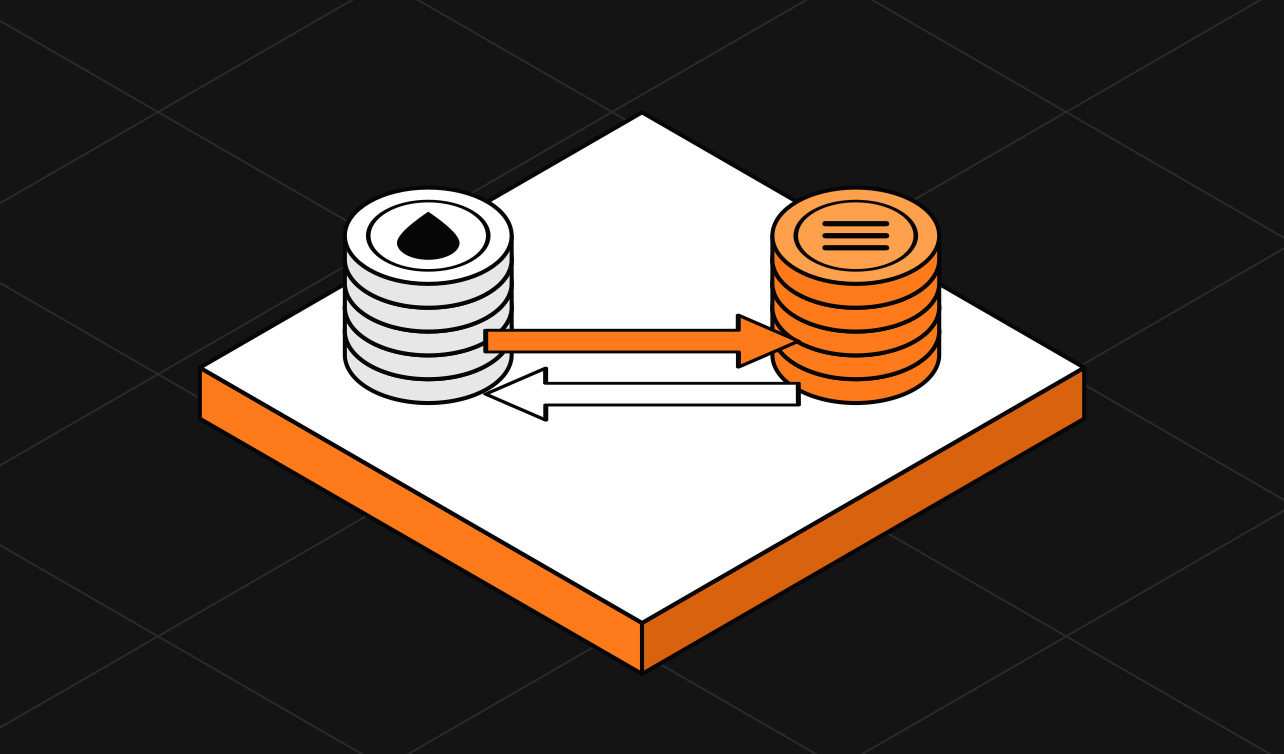
To move USDC from Sui or Aptos to another network, use a cross-chain swap. Dbanq shows the route, fees and estimated time before you approve.
Wrapping up
See the supported coins and networks, read about Swaps, or find answers in our FAQs.
Get new blogs by email.
Hear when we publish a new Dbanq blog. No spam, and you can unsubscribe at any time.